
This is the story of the long-standing collaboration between Plastokit, Rion’s southern production site, and a leading technology company, demonstrating how engineering expertise, advanced mold design, and process management can transform a complex idea into a reliable, high-quality serial product.
Many stories of technological innovation focus on a moment of brilliance, the initial development of a groundbreaking idea. Yet often, the real challenge lies in transitioning from development to actual production, turning the brilliant prototype into a product that can be manufactured in large quantities – consistently, reliably, and economically.
This is the story of a long-standing partnership between Plastokit, part of Rion Group, and a leading company that developed a revolutionary milk meter for the food industry.
“They knew how to develop the product, but not how to mass-produce it,” explains Omer Kraus, Plastokit’s plant manager. “Our key contribution was building that bridge – taking the project from initial production to a stable, scalable, and sustainable industrial process.”
The Challenge: Precision in a Demanding Environment
The milk meter is a critical component, one that stands in the heart of modern milking technology and has to be installed in every milking station. This device not only measures the amount of milk a cow produces but also examines its quality in real-time. It does so by identifying both fat content and the presence of contaminants or diseases. The technology is based on sophisticated electro-optic analysis: milk flows steadily in a precisely engineered plastic component, and an LED beam with a specific wavelength passes through it to the sensor. Any disturbance in the light’s passage is translated into data on the milk’s quality
“The main challenge was the plastic material itself,” explains Aharon Weiss, from Rion’s engineering team. “The electronics sit outside the plastic component, while the milk is inside. The plastic requires precise optical transparency to specific wavelengths, so it wouldn’t distort or filter the light passing through it. In addition, the material had to be resistant to the strong chemicals used in washing the system.”
The developer of the meter managed to create a working prototype, and even moved it to production, but struggled to maintain the required optical properties in serial production over time. This is where Plastokit entered the picture, with the mission of turning the engineering challenge into manufacturing success.
From Problem Analysis to Solution: Plastokit’s Contribution
The Plastokit team delved into the thick of things. For about two years, the engineers tackled the challenge, conducting in-depth research. “We needed to understand what was truly required from the plastic material,” Omer recalls. “We went to the laboratories of color masterbatch manufacturers, these specializing in testing the transparency of plastic to defined wavelengths. We learned how to characterize the unique raw material, Polysulfone (PSU), and how to control its quality in every production run. We also received extensive information from SOLVAY, the raw material manufacturer, which helped us understand the phenomena in depth and jointly define the material. We carried out the entire process in full cooperation with the client’s engineers, making joint decisions including agreements with the various suppliers.”
The hard work paid off. Plastokit developed a structured and stable production process, ensuring the maintenance of the required optical transparency in every single unit. In addition, the team improved accompanying processes, such as using ultrasonic welding in an electrode used within the milk meter, and changing the geometry in the structure of the electrodes themselves to improve welding quality and sealing.
Holistic Upgrade: Rion’s Mold Engineering
When Rion acquired Plastokit, the cooperation improved even further. The transition from development to production received a significant boost thanks to Rion’s expertise in mold engineering for mass production. “One of the first problems we identified was the continued use of the original molds used in the prototype for serial production without understanding the severe implications for continuous production and quality over time,” says Weiss. “These molds were not built for continuous work, and it was impossible to use them for more than two days without something breaking and production stopping. They were also not designed for automatic injection molding, so the machine couldn’t run unattended and needed an operator close by at all times.”
Rion’s mold engineering team sprang into action and designed and built new, strong, and stable molds, adapted for automatic, long, and continuous serial production. A similar approach was also applied to an accompanying product called a “flow guide,” a component that ensures the milk reaches the milk meter in a smooth and laminar flow. Rion developed a more stable mold for it, enabling automatic and efficient production.
The team also had to apply their problem-solving capabilities along the way. “The client complained about streaks and marks appearing on the product, and claimed the problem was caused by insufficient drying of the raw material,” Weiss recounts. “We investigated the matter in depth and proved that the material was properly dried and entered the injection process completely dry. We understood that the problem was the result of foaming air bubbles trapped in the injection unit. In cooperation with the European material manufacturer, and after sending parts for laboratory analysis at its facility, we made complex changes in the injection process to release the trapped air, and reached a flawless product.”
True Partnership: The Key to Success
At the core of the project’s success was open communication and close cooperation. “During busy periods, we held regular weekly meetings between our engineering teams and theirs,” says Kraus. “We shard our tasks in an organized manner, while keeping constant and close communication. This good connection is what allowed this complex project to succeed.”
This approach, of Rion’s teams operating in full synchronization with the client, is the central working model of Rion and Plastokit with their major clients. A structured agenda, where each side raises issues for resolution, ensures that challenges are efficiently solved and projects progress according to schedules.
The story of the milk meter is more than a story about plastic engineering. It is a story about strategic partnership, deep understanding of customer needs, and the unique ability of Rion and Plastokit to take a complex development process, break down its manufacturing challenges, and build a holistic, reliable, and high-quality solution adapted to the stringent requirements of the food industry.
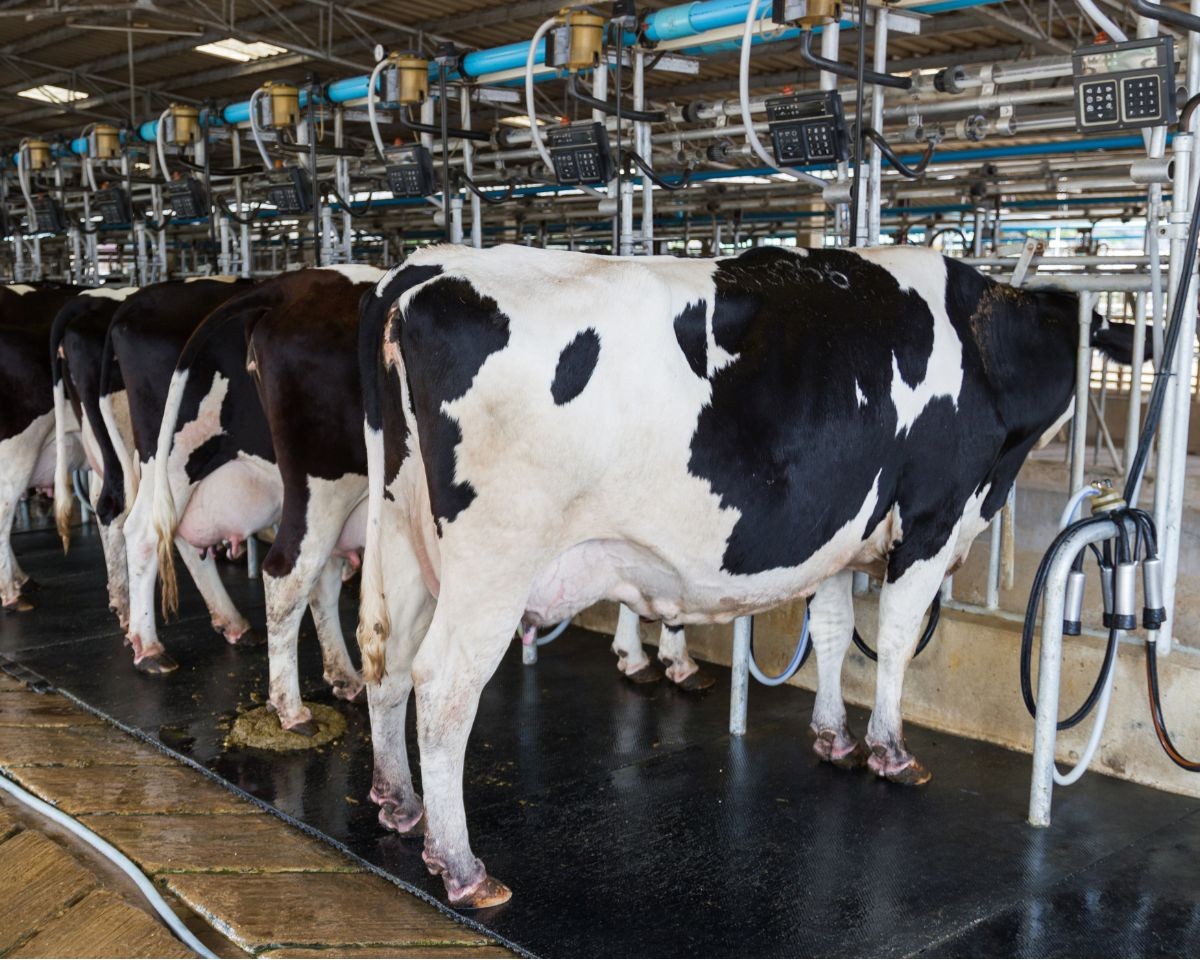 The milk meter in action.
 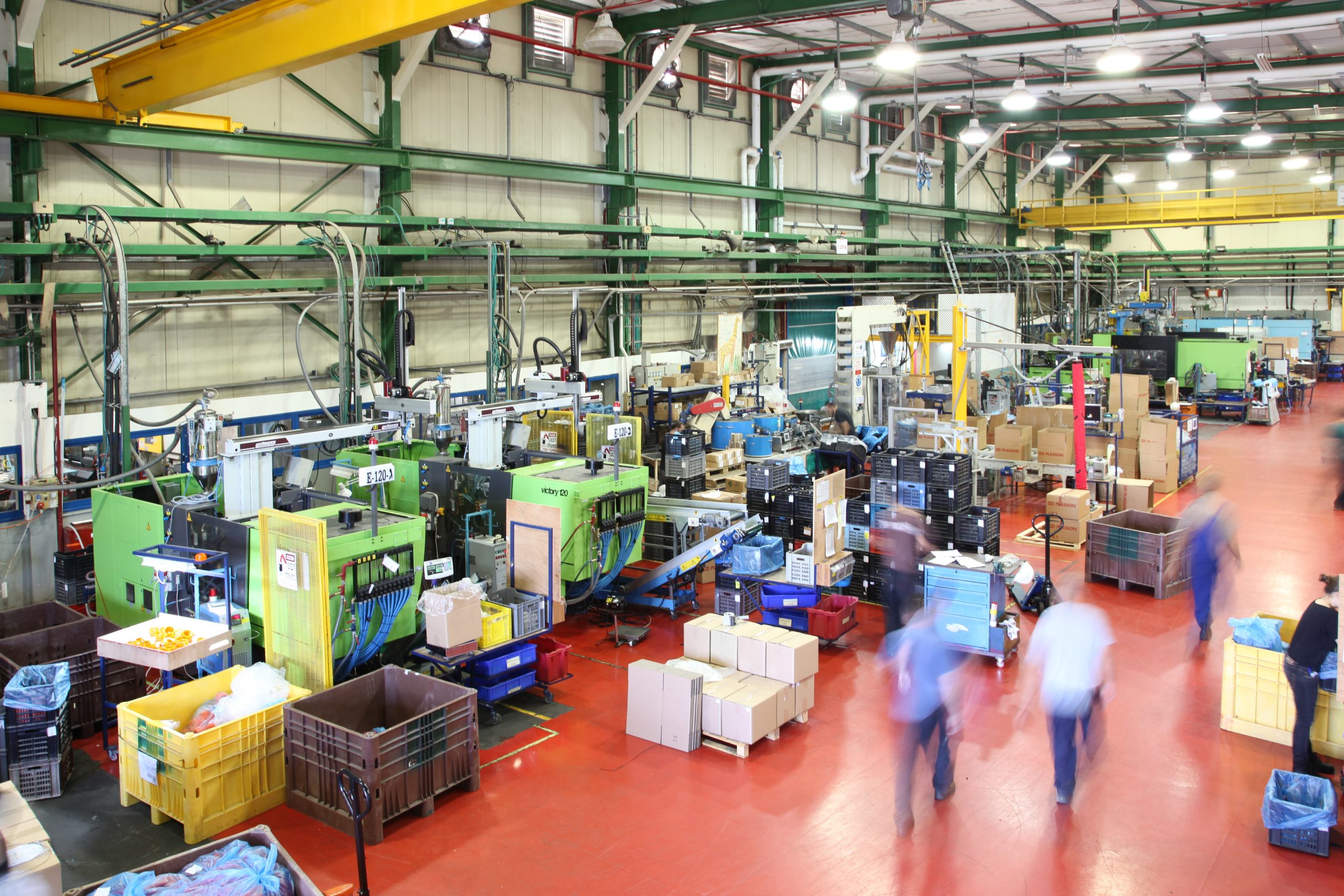 Plastokit's production floor.

